“That can’t be real” is a useful first thought. It is not a conclusion. A blurry hand, strange lettering, or an oddly smooth voice may raise a question, but generative AI keeps improving, and real photos can look strange too. The goal is not to make children expert fake-spotters; it is to help them slow down, check where a claim came from, and avoid spreading something they cannot verify.
That skill matters already. In a 2025 UNICEF Australia report based on research with more than 2,000 children and young people, 56% said they had encountered deepfake content, while 34% felt confident identifying misinformation. Those figures describe young people in Australia, not every child everywhere, but they make a good case for practicing before a worrying post lands in the family chat.
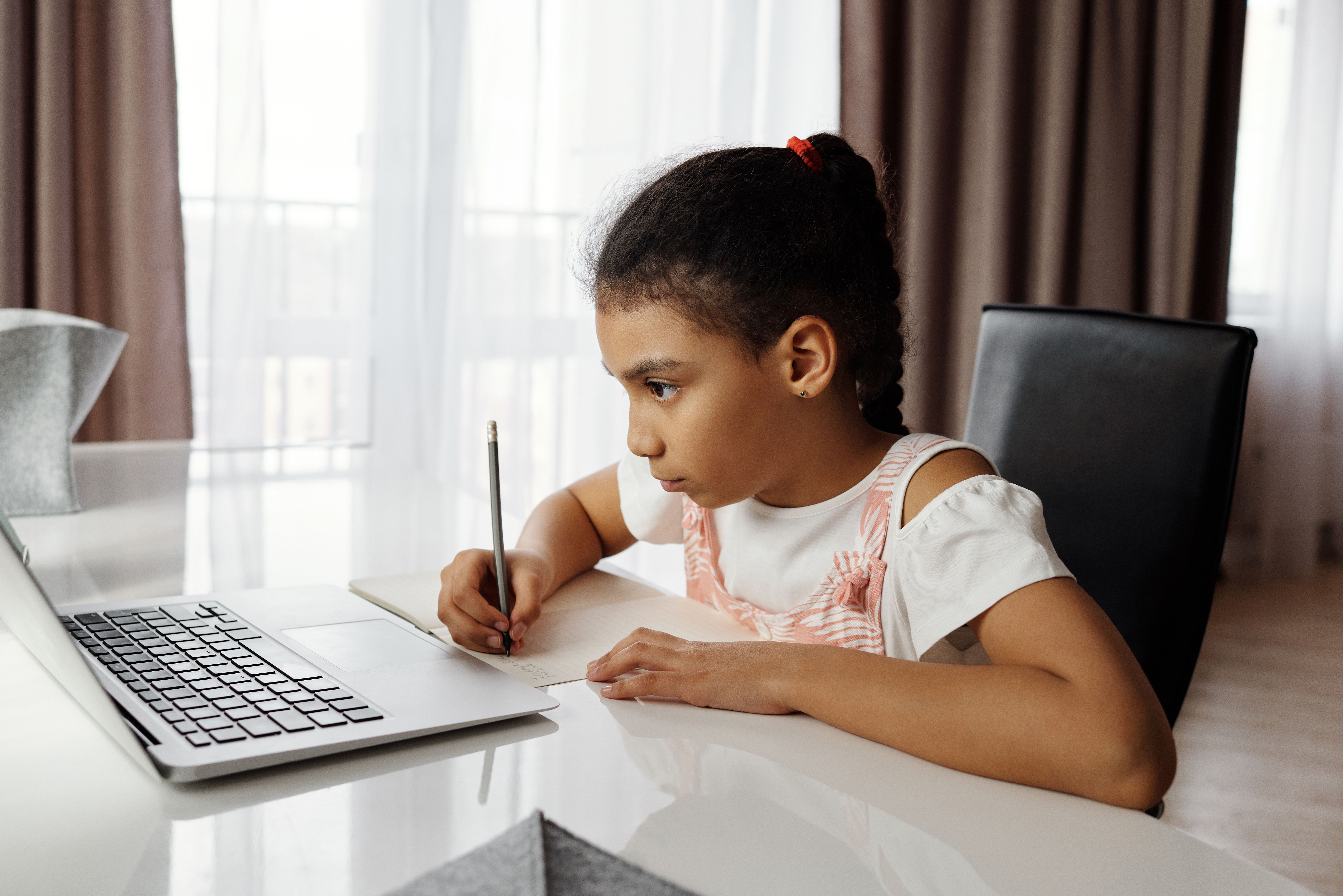
Teaching kids to spot AI starts with better questions
AI literacy is not a contest to guess whether an image was generated. A more useful habit is asking: Who posted this? What are they asking me to believe? Can I find the original or confirm the claim somewhere else? This works whether a post was made by AI, edited by a person, taken out of context, or simply mistaken.
It also lowers the stakes. A child who gets an image wrong has not failed; they have found a reason to investigate. UNICEF’s guidance for parents recommends starting with children’s curiosity and exploring AI together, rather than expecting adults to know every tool or answer.
A four-step check kids can actually remember
- Pause. Be extra cautious when content is shocking, frightening, humiliating, or designed to make someone angry. Urgency is often a reason to share less quickly, not more.
- Trace the source. Look beyond the repost. Who first shared it? Is there a named person, organization, or publication behind the claim? Does the account have a reason to know?
- Verify the claim elsewhere. Search for the key detail in more than one reliable source. If a post says a school is closed or a public figure made an announcement, check the school’s own channel or established news coverage instead of trusting a screenshot.
- Decide what to do. If the source is unclear or the claim cannot be confirmed, don’t forward it as fact. It is fine to say, “I’m not sure this is real.”
For a suspicious image, children can also check whether it appeared earlier in a different context, using a reverse image search with an adult’s help. Odd details in hands, reflections, backgrounds, or text can be clues, but none is a reliable pass-or-fail test. AI can avoid familiar mistakes, and ordinary cameras, filters, compression, or editing can create artifacts that look suspicious.
Why an AI detector cannot settle the question
Online detectors may look authoritative because they return a percentage or a confident label. But those scores are estimates, not evidence of who created something. Stanford researchers reported in 2023 that the detectors they studied mislabeled more than half of a sample of essays written by non-native English speakers as AI-generated. That result came from a particular set of tools and essays; it should not be generalized to every detector or every kind of content. It does show why a score should not be used to accuse a child-or anyone else-of cheating or lying.
If a curious older child wants to try an AI detector free, treat it as a demonstration of how uncertain detection can be, not a verdict. Don’t upload private schoolwork, personal messages, or identifying details to a website just to test it. The source and corroboration matter more than a detector’s number.
Practice on low-stakes examples before the scary ones
Use a funny advertisement, a movie poster, or a harmless image from a trusted educational activity. Ask your child what they notice, what they think the image is trying to make them believe, and what information would help confirm it. Let them lead the search. If they are wrong, model changing your mind when new evidence appears.
With younger children, explain that some computer tools can make pictures or voices that look and sound real, but they do not know what happened in the real world. Older children can discuss why a creator might make a fake, how a joke can become bullying, and why a screenshot with thousands of likes is still not proof. Keep the conversation open: UNICEF’s parent guidance, informed by Harvard AI-in-education researcher Ying Xu, suggests beginning with curiosity and learning alongside children.
If a fake targets a real person, protect the person first
When a child sees a humiliating or intimate fake, the priority is not to solve the mystery in public. Tell them not to forward, repost, or comment to amplify it. They should tell a trusted adult; together, you can report the content to the platform and the relevant school or support organization. Avoid confronting the suspected creator in a way that could spread the material further. If the content depicts a child sexually, do not save or circulate the image; get help from a trusted adult and follow official reporting guidance.
It helps to say plainly: “You can bring me something upsetting, even if you clicked it or shared it before you knew what it was.” Shame tends to make children hide a problem. A calm response makes it more likely they will ask for help next time.
The habit matters more than the perfect answer
Children will not always know whether a post was made with AI, and neither will adults. That is not a reason to give up; it is a reason to replace snap judgments with a repeatable habit. Pause, trace the source, verify the claim, and choose not to spread what remains uncertain. The best outcome is not a child who can identify every fake. It is a child who knows what to do when they are unsure.